When moving to Ecuador, you have a decision to make. You can either keep a storage unit in the States, ship all your household goods to Ecuador, or sell, donate, and eventually throw them away to buy everything again once you arrive.
Should you store your belongings? I am almost entirely against storage units. They are expensive, and each monthly payment cuts into any net value you hope to keep. Furthermore, what happens if you never move back? Eventually, you will still have to deal with moving everything out of storage.
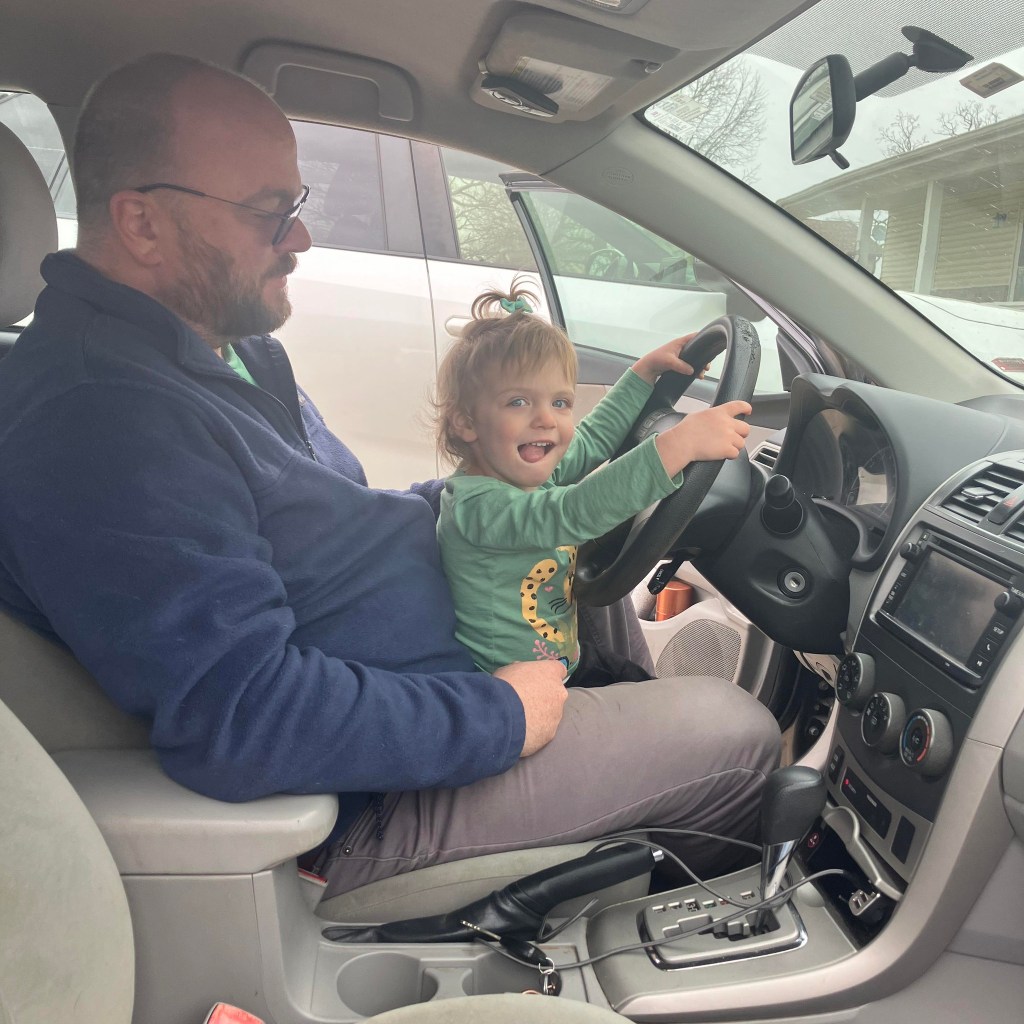
The next option is to ship your goods to Ecuador. First, you cannot ship cars unless you are a citizen, so that option is off the table for most. Additionally, because of tariffs, used cars can be twice as expensive in Ecuador. Luckily, it is very affordable to take taxis or the bus, or even hire a pickup truck and driver.
For your household goods, you can rent a shipping container. We received a quote for this, and it was going to cost around $8,000–$10,000. There is also major bureaucracy involved in importing a container; it requires a specific visa and can take months to clear customs. Furthermore, our furniture was durable but had been used for years—sometimes decades. However, we had some items we simply didn’t want to part with, such as heirlooms, medals, awards, and degrees. Luckily, we had family members willing to store these temporarily until we could retrieve them later.
The last option was to sell all our items, including our cars, and rebuy most of them in Ecuador. This is what we did. We approached selling everything we owned in a few different ways. First, we sold big-ticket items on Marketplace, including a rowing machine, chairs, tables, a television, and beds right before we moved out. Next, we held two garage sales with very limited success. Then, we packed the suitcases we were taking to Ecuador and donated our extra clothes to a local shelter while giving other items to friends. Finally, we ordered a dumpster to dispose of things no one else wanted.
Was all of this work worth it financially? Selling items paid for our last few months of expenses, including rent, and I hate to waste anything. For some people, this would have been extremely hard, but our belongings weren’t exceptionally nice; they were used, and most of their value came from their sturdiness and utility. After all, we understood this was the price we paid for starting over.
With our house empty and our rental cleaned, we packed the cars with the last of our belongings and spent a month staying with family before leaving for Ecuador. While there, we sold our cars to private buyers and prepared for a new life in a foreign land.
When we arrived with only suitcases, we took a tiered approach to restocking. First, we stayed in an Airbnb for two weeks. While there, we found a small furnished apartment for $440 in a neighborhood we liked that sufficed for a few months. During that time, we made contacts to help us navigate this new world and familiarized ourselves with furniture stores and supermarkets. We learned more about the city and the neighborhoods we wanted to live in. We bought only one piece of furniture: a locally made rocking chair for a comfortable place to sit and rest.
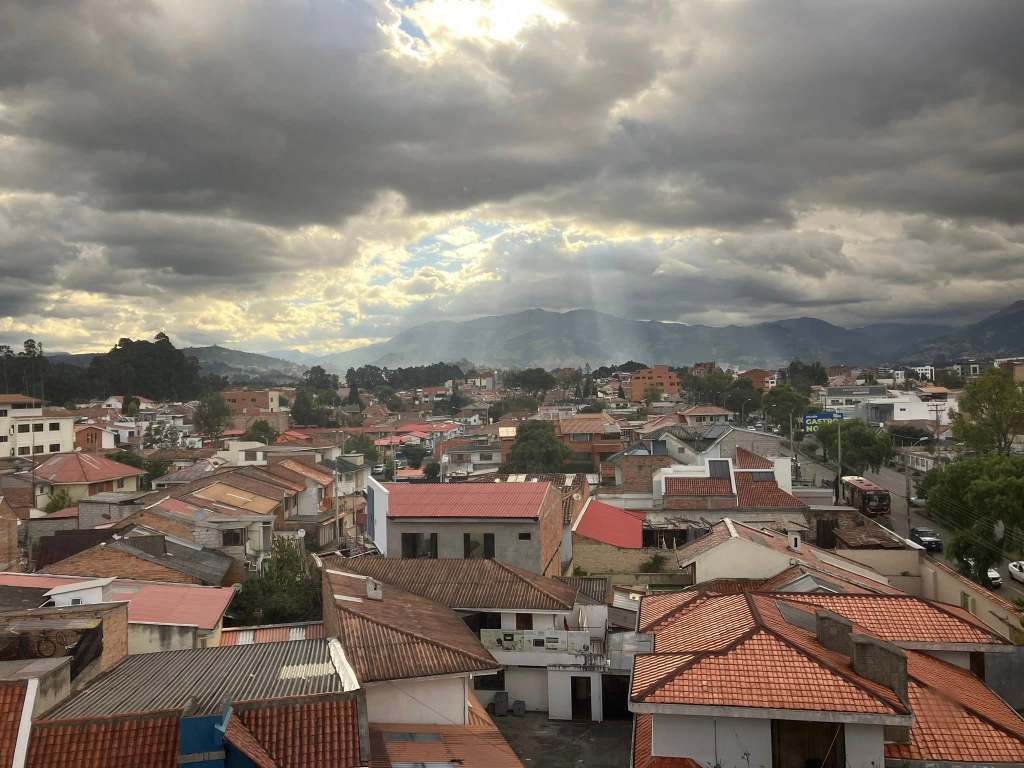
After a few months, we found an unfurnished house for $450. We decided that Ecuador would be our home for years to come. This house offered more room to stretch out without being “on top of each other” in a quieter, more residential area. We calculated that within our first year, we would be better off furnishing our own house than paying the premium for a furnished rental.
For about a month, we paid rent on two places while we furnished the new house with three beds, a large kitchen table, a reclining loveseat, handmade sheets, a refrigerator, an oven, a stove, dishes, and a clothes washer. Clothes dryers are much rarer here, so we use drying racks like most locals. All of this cost around $4,000—about half of what the shipping container would have cost.
Overall, the quality of the furniture we bought was above average, though it might not meet some American standards. We love our kitchen table; it seats eight and is beautiful, but it is made of pine and the seats are hard, so we need to buy cushions. Our clothes washer is an Electrolux and has been great, though it was expensive. Our fridge, oven, and stove are a local brand called Indurama. They have performed well, though they are a little smaller than what Americans are used to. Our beds are less sturdy than the ones we owned in the States but were still a good value. If you absolutely require American sturdiness and quality, it might be best to bring your own and face customs, or try to buy items secondhand from departing expats.
If I had to do it again, I would do everything the same way. We received a little less than I would have liked for the cars, but we sold them in Florida, which has a cheaper used car market than I expected.
You might be wondering what we brought in our suitcases. We brought clothes, medicine, and electronics (which are more expensive here due to tariffs). We also brought a couple of nice watches, books (we are still librarians and English books are hard to find here), and kitchen spices for Thai curry and Korean jjamppong. When we visit the States, I plan to buy shoes and certain clothing items that have worn out and are hard to find in my size locally. We do have Amazon, but imported items are tariffed; for $100 worth of goods, you can expect to pay another $20 in fees. As librarians, we also brought Kindles equipped with Libby to access free books from our local libraries. I also recommend checking if your library offers Mango or other free language-learning software. I also use Spotify to listen to audiobooks.
 Millionaire Librarian
Leave a comment