Cut early in your life and invest to build your nest egg.
When you retire with, say, $750k invested, in median market years you’ll earn around 10%, or $75k, from your investments. If your base needs cost $30k, you have plenty of room. In good years, spend more — $40k or so — and set a milestone, perhaps $1 million, where you give yourself permission to spend abundantly. Don’t push frugality further down the road than necessary.
The habits that made you wealthy need to be largely set aside once you arrive. New rules apply. You have to relearn how to spend on the small things that deliver outsized value — housecleaners, gardeners, eating out. These add enormously to daily life for a relatively modest cost.
That said, avoid locking in permanently higher expenses through debt payments on cars or a more expensive house. When the market pulls back sharply — and it will — you may need to return to your base spending until your portfolio recovers to all-time highs. Once it does, you can spend freely again.
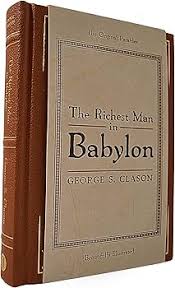
You can’t take it with you, and to paraphrase Ramit Sethi, the real tragedy is living a smaller life than you have to. But the sequence matters: build the nest egg first. Without it, you’re simply trading your time for an inflated lifestyle — a poor trade. It calls to mind The Richest Man in Babylon, where the narrator describes a purse that never empties because his money makes money. You need that money machine in place first. Only then does the purse overflow on its own.

So what have you actually purchased? Freedom and autonomy. The freedom to walk away from a bad boss, a toxic workplace, or a draining staff member — for a month, a year, or forever. The freedom to pursue work that pays less but means more, or simply to work fewer hours. That is what the money machine quietly buys you.
But you have to build it first.


Leave a Reply