I retired to Ecuador about a year ago. I was 39. My brother, ten years older and still working, was convinced I’d end up “sleeping under a bridge in the third world.” I told him that wasn’t going to happen. He wasn’t fully convinced, but he let it go, the way brothers do.
That conversation — and the dozens of smaller ones that followed it, with friends, coworkers, and total strangers — taught me more about talking to people about early retirement than any FIRE forum ever did. So here’s what I learned about who pushes back, who doesn’t, and why.

My brother never really listened, and I stopped trying to make him
My brother and I have never talked money the way I talk money with, say, an internet stranger in a FIRE subreddit. Partly that’s just how we are. Partly it’s because I never forced the subject on him.
A decade earlier, I bought him a John Bogle book. I’m a librarian — recommending the right book at the right time is basically my love language. He never read it. Looking back, that was probably a steep ask. You don’t hand someone The Little Book of Common Sense Investing and expect it to land the same way you’d want it to. He didn’t ask for a syllabus. He asked why I was retiring in Ecuador.
Here’s the thing, though: my brother and his family are doing great. They make good money and they spend it — on the house, the vacations, the stuff that makes their day-to-day better. We made good money too, and we spent it on getting free. Two different families, two different lifestyles, and both of us are living successful lives, just by our own definitions of the word.
I used to think that gap needed closing. It doesn’t. He was never going to read Bogle, and I was never going to want what he wants. Once I stopped treating that as a problem to solve, our conversations got a lot easier.
The friends who got it — for reasons that had nothing to do with me
The people who supported the move fastest weren’t always the ones I expected. Some had military pensions and had already retired in their thirties or early forties, so the shape of what we were doing wasn’t foreign to them at all — it was just a version of something they’d already lived. Some had spent years vacationing all over Latin America and had zero anxiety about the “developing country” part, because they’d actually been to one.
And a lot of people, honestly, were just tired. The political climate in the US had been getting worse every year, and for some friends, watching us leave wasn’t alarming — it was almost aspirational.
None of these people needed convincing. They’d already done the work of imagining a different life for themselves, or they’d seen enough of the world to know Ecuador wasn’t going to be a disaster movie. I didn’t have to sell them on FIRE. I just had to confirm the plan was real.
The hardest conversations came from people I barely knew
Here’s the part that surprised me: the sharpest pushback rarely came from family or close friends. It came from strangers.
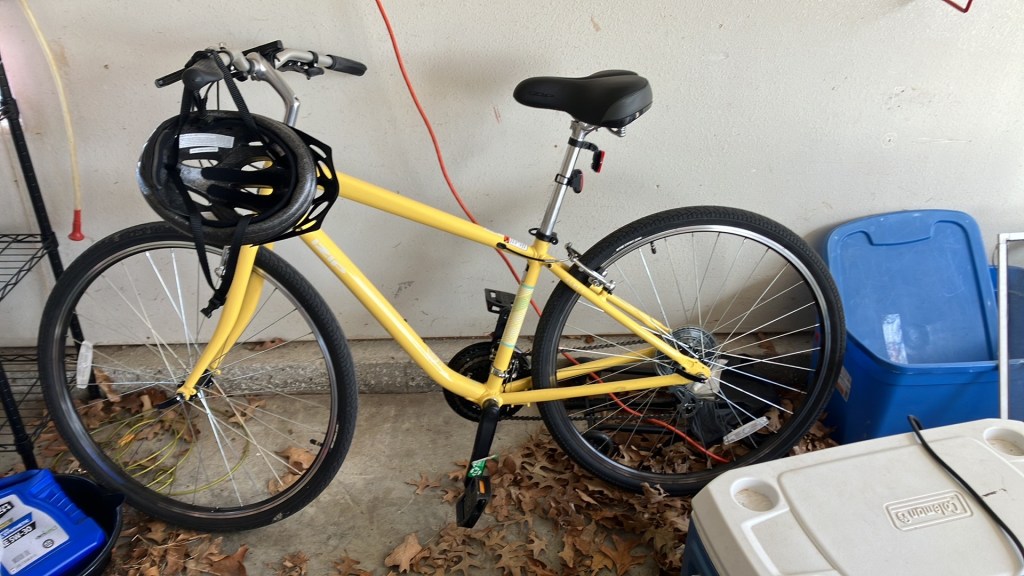
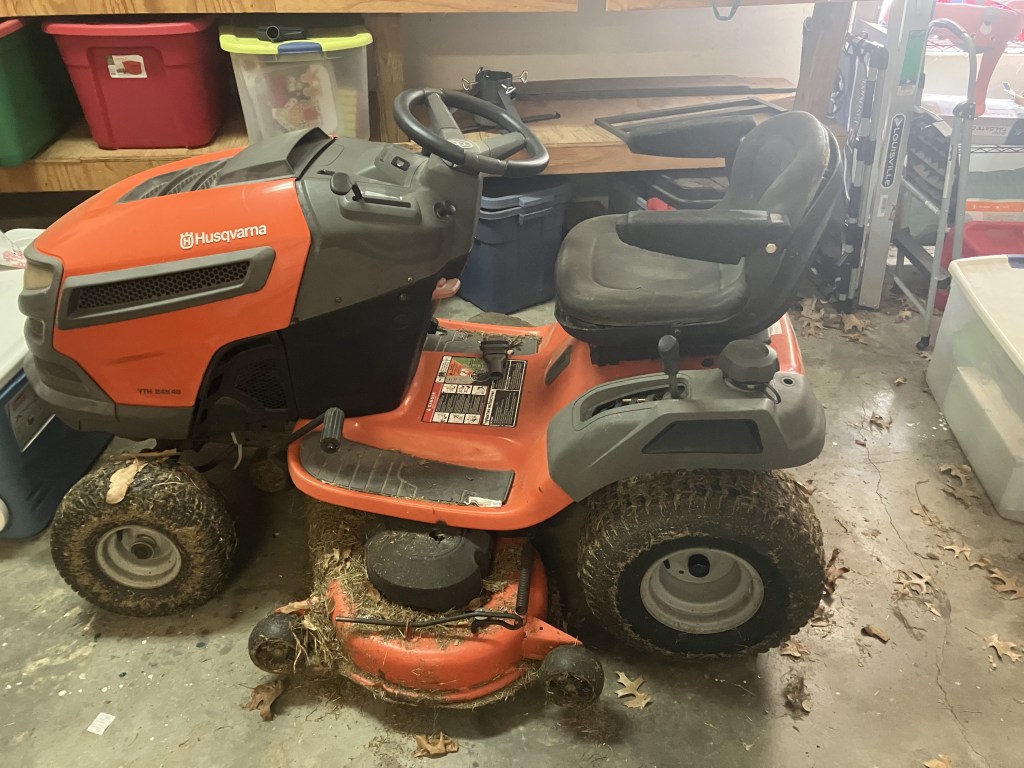
In the last few months before we left, we were selling off everything that wasn’t coming with us — furniture, tools, a lawnmower, whatever. And almost every time, the buyer would ask some version of, “So why are you selling this?”
I’d answer honestly. Moving to Ecuador. Early retirement. And then I’d watch a total stranger, standing in my driveway on my old lawnmower, decide they had questions. Real questions. Skeptical questions. What was I going to do all day. Wasn’t that risky. Did I have kids. What about healthcare. What was I running from.
These weren’t people who knew our finances, our plan, or us. They had no stake in the outcome and no context for the decision, and somehow that made them the most confident critics of all. I’d be stuck in a fifteen-minute conversation with a stranger about a decision they’d learned about ninety seconds earlier, over a lawnmower.
People close to you have some idea of who you are and what you’re capable of handling, even if they don’t agree with your choices. Strangers don’t have that context, so all they have is the headline — quit your job, moved to South America — and the headline sounds reckless if you don’t know the person behind it.
What I’d tell someone about to do this
If you’re planning something like this yourself, here’s the short version of what a year of these conversations taught me:
- Don’t hand people a syllabus. If someone hasn’t asked to understand your financial philosophy, a book recommendation often isn’t the answer.
- Your real support network probably already exists. Look for the friends who’ve already lived some version of your plan, or who’ve seen enough of the world that “developing country” doesn’t sound like a threat.
- Expect the strangers to be the tough audience, not the family. They’ve got the least information and the most opinions, and that’s just how it goes.
- You don’t need everyone to agree with your version of a good life. My brother and I are proof that two very different definitions of success can both be right, for the people living them.
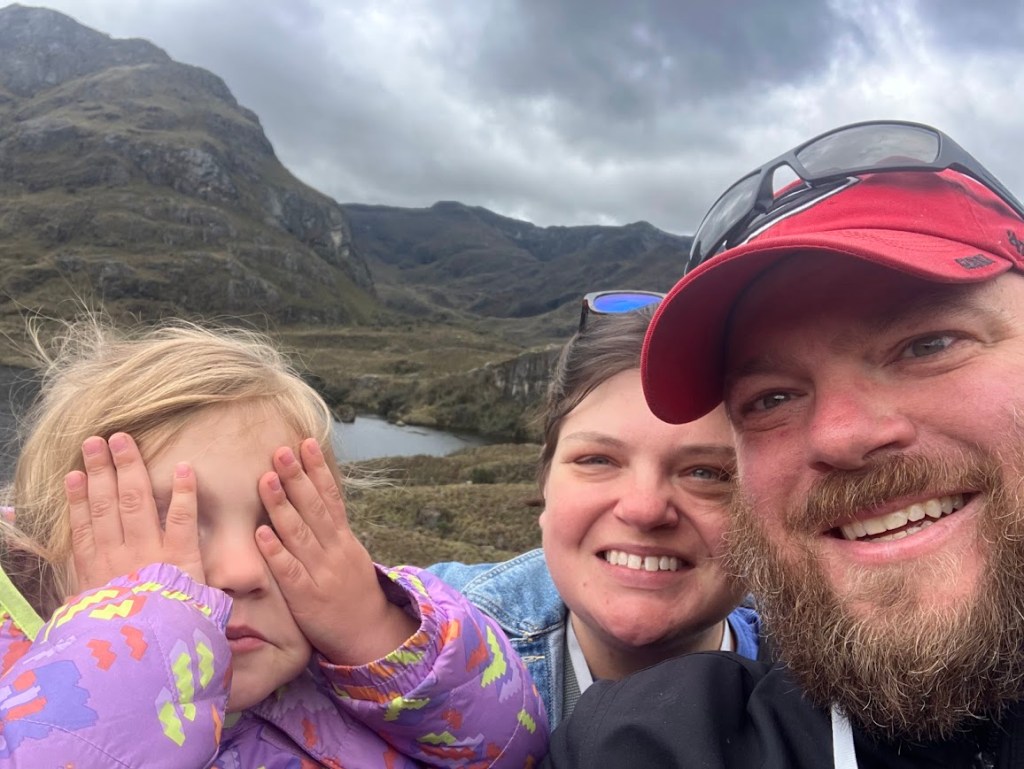
We’re not sleeping under any bridges. We’re a year in, still married, still parenting, dog now included, and still convinced this was the right call for us — even if it took a while to convince the guy who bought our lawnmower.


Leave a Reply